
ZeroPhase Contact

Field testing under active jamming: BraveTech EU DefTech Forge

A week on a military test range in Romania, with the interference switched on.

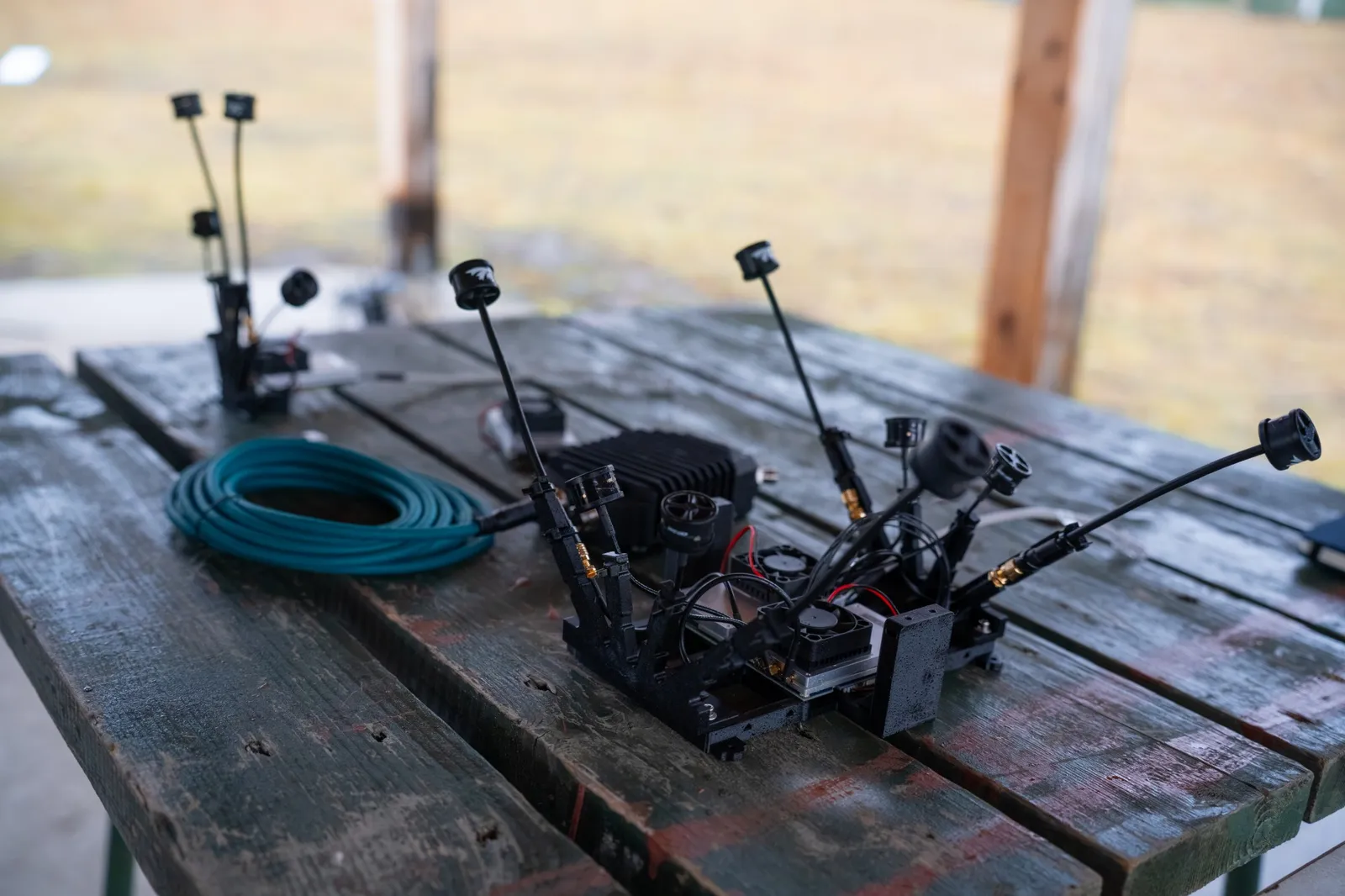
ZeroPhase radios with antennas, field mounts and a network cable on a wooden table at the test range in Sibiu
Photos: BraveTech EU DefTech Forge

Jamming is where a datalink has to prove itself. In November 2026, we took ours to a military test range in Romania and tested it.

The jamming systems on the range, which operated outside our bands, could not seriously disrupt our link, not even at close range and full power. So we raised the bar: we set up our own SDR-based interference source on site, the only team allowed to test this way.

We go to these lengths because an unmanned system is only as useful as its link to the people who operate it.
01

The event

The BraveTech EU DefTech Forges bring companies building defence technology onto military test ranges for a week. For us, that meant three things a lab cannot offer: open terrain, jamming systems on site and direct contact with military end users. This second cycle brought together 32 companies, on ranges in Germany and Romania.

We worked on Challenge 7: EW-resilient UAS operations. The question behind it is the one we work on every day: does the link between an unmanned system and the people who operate it hold when the spectrum is contested? If the link drops, the autopilot carries on, but the operator loses the live picture and the chance to act in the moment.

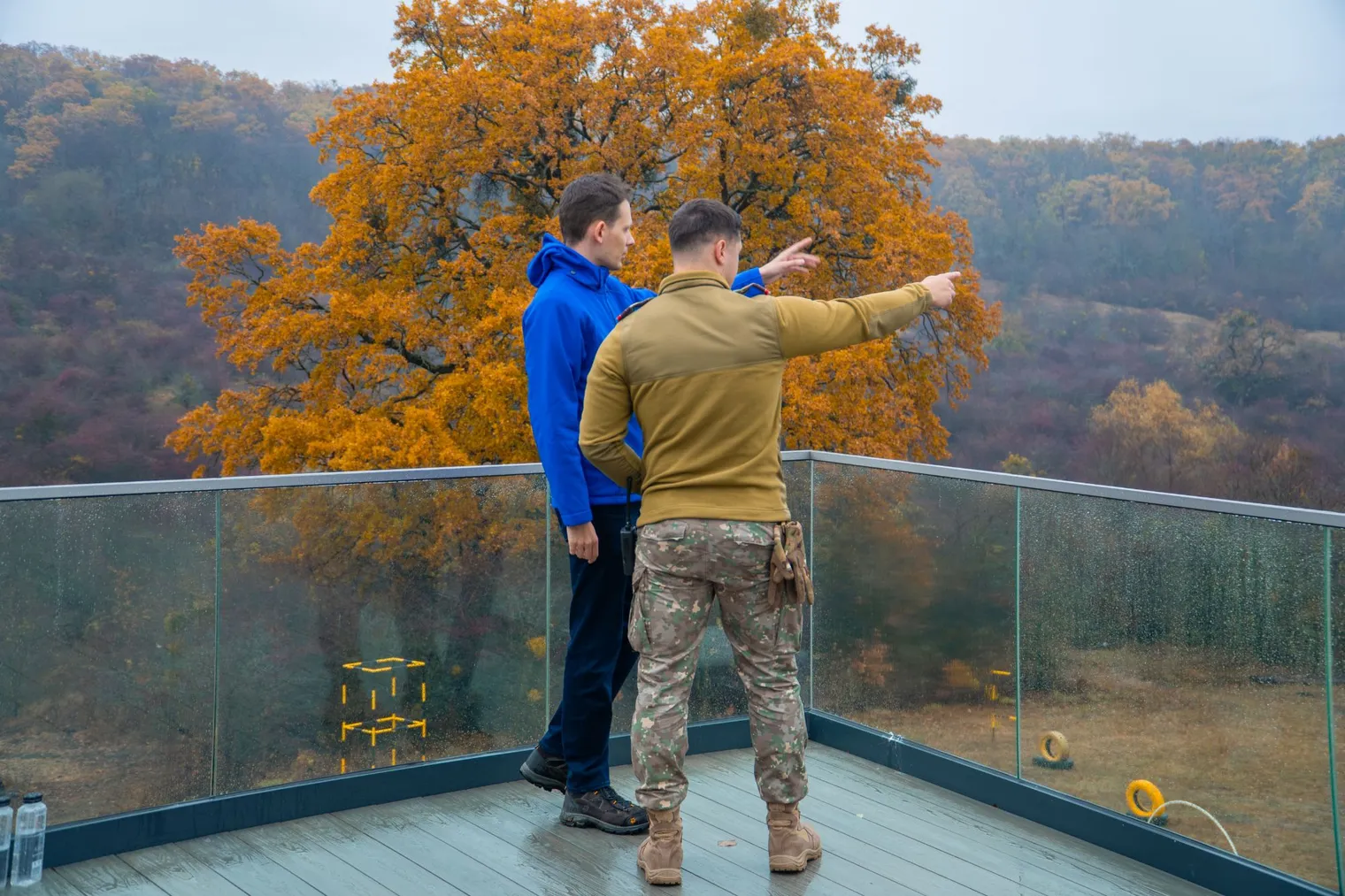
A ZeroPhase team member and a member of the Romanian Land Forces look out over the test range from an observation deck

02

Test setup

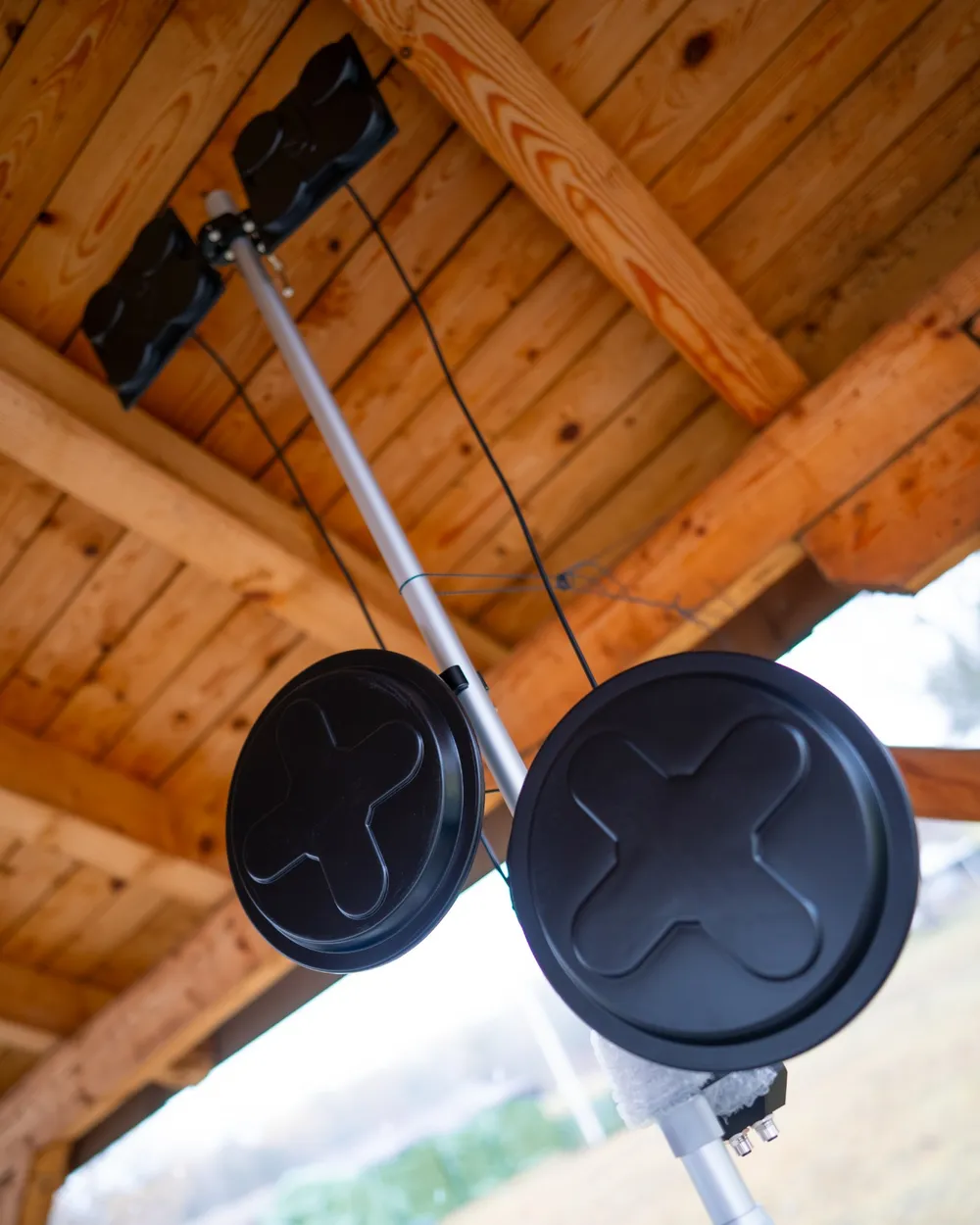
Our three-person team set up a Ground Station on a mast with directional antennas and Air Units on field mounts, with relay configurations added over the week.

Directional antennas of the Ground Station on a telescopic mast under a wooden shelter at the test range

Conditions were those of a field deployment, not a lab: autumn weather, battery power at the test positions and almost no mobile reception on the range. Every setup was built, powered and adjusted on site.

03

Testing under interference

We tested in two stages.

  1. The range's own jamming systems. We first ran the link against the jamming systems provided on site. One was effectively a signal generator; the stronger system covered only frequencies outside our bands. These tests therefore show how the link copes with strong interference nearby, not with targeted jamming.
  2. Our own SDR-based interference source. To create more demanding and more relevant conditions, we set up an interference source on a software-defined radio. The organisers and the Romanian Land Forces gave us permission to use it; we were the only team to test this way.

On the final test day, the weather called for a reduced setup: one Ground Station, one Air Unit and the interference source.

04

What we observed

Against the range's jamming systems, which operated outside our bands, the link was not seriously affected, even at close range and full power. Later analysis of the logs showed a reduced signal-to-noise ratio.

With our own interference source, we collected data under more demanding conditions. That data, gathered outside the lab, now goes back into development.

The field also showed what no lab bench does: how the whole setup performs on battery power, out on an open range.

05

What we take forward

What we learned on the range, from the jamming data to the practicalities of a field deployment, goes straight into our next development steps.

Each test under real conditions brings us closer to what we build for: a link that holds when it matters most.

06

Timeline

  1. Nov 2026 Field tests under active jamming at the BraveTech EU DefTech Forge in Sibiu

Photos: BraveTech EU DefTech Forge

Bring your platform. We bring the link.